

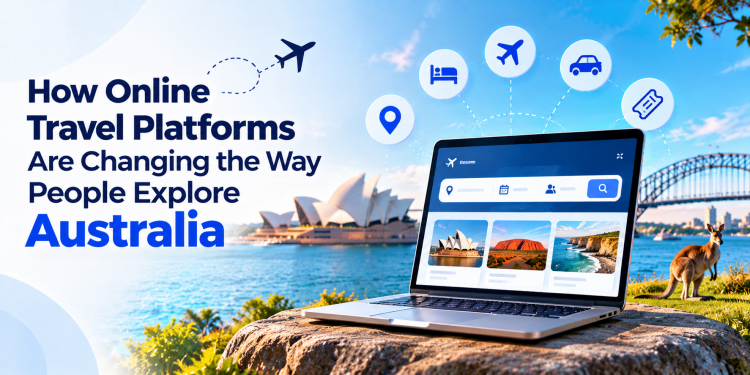
The way people plan and experience holidays has changed significantly with the growth of digital technology. Travellers no longer need to depend entirely on traditional travel agencies, printed brochures, or recommendations from friends to organise their trips. Today, online travel platforms make it easier to discover destinations, compare experiences, research activities, and organise travel plans from a single device.
Australia is a great example of how digital platforms are influencing modern tourism. With its diverse landscapes, famous cities, coastal attractions, and unique natural landmarks, the country offers countless experiences for international visitors. Online platforms help travellers explore these opportunities and make informed decisions before arriving at their destination.
1. Easy Access to Travel Information
One of the biggest advantages of online travel platforms is the ability to access destination information quickly. Travellers can explore attractions, read travel guides, compare activities, and understand what different locations offer without visiting multiple websites.
For someone planning an Australian holiday, this makes destination research considerably easier. Instead of relying on limited information, visitors can explore different regions, understand local attractions, and create an itinerary based on their interests and available time.
Travel platforms also provide useful details about activity durations, meeting points, inclusions, and visitor requirements, helping people make better travel decisions.
2. Simplifying Travel Planning Through Digital Platforms
Modern travel platforms bring several planning features together in one place. Users can browse activities, check available experiences, compare prices, and review booking information before making a decision.
This is particularly useful for international travellers visiting Australia for the first time. They can organise experiences across multiple destinations while considering travel time, accommodation, transportation, and personal preferences.
For example, visitors can research Uluru Tours to explore the famous red landscapes of Australia’s Northern Territory and understand the different sightseeing and cultural experiences available in the region. Similarly, travellers visiting New South Wales can browse Sydney Tours to discover popular city attractions, harbour experiences, and sightseeing opportunities.
Having access to these options online makes it easier to plan different parts of a holiday without managing every booking separately.
3. The Role of Reviews and Ratings in Travel Decisions
Customer reviews and ratings have become important features of online travel platforms. Before selecting an activity or experience, travellers often want to understand what previous visitors thought about it.
Reviews can provide practical information about tour guides, transportation arrangements, activity quality, organisation, and overall visitor experiences. These insights help potential customers evaluate their options beyond the information provided in a standard listing.
Authentic customer feedback also encourages transparency between travel businesses and visitors. When businesses respond to reviews and address customer concerns, they can build greater trust with potential travellers.
However, travellers should consider multiple reviews rather than relying on a single opinion when comparing experiences.
4. Mobile Technology Makes Travel More Convenient
Smartphones have become essential travel companions. From researching attractions to accessing digital tickets and checking directions, mobile technology supports travellers throughout their journeys.
Responsive travel websites and mobile applications allow users to access important information while travelling. Features such as location-based search, digital confirmations, interactive maps, and real-time notifications can make travel arrangements more convenient.
For destinations spread across large geographical areas, these features can be particularly helpful. Travellers can check directions, review meeting locations, and access booking information without carrying printed documents.
As mobile technology continues to develop, travel platforms are likely to offer even more personalised and convenient experiences.
5. Discovering Australia’s Diverse Travel Experiences
Australia offers a wide range of experiences, from metropolitan sightseeing to natural landscapes and cultural attractions. Online platforms help travellers discover destinations that might otherwise receive less attention during their initial research.
Sydney, for instance, attracts visitors with its iconic harbour, beaches, architectural landmarks, and cultural attractions. Travellers can research different sightseeing options and identify experiences that match their interests.
Beyond major cities, destinations such as Uluru offer opportunities to learn about Australia’s natural environment and Indigenous cultural heritage. Digital travel resources make it easier for visitors to understand the significance of these destinations and research appropriate ways to experience them.
This combination of destination information and online discovery helps travellers create more diverse itineraries rather than limiting their holidays to a single location.
6. Personalised Recommendations and the Future of Travel Technology
Artificial intelligence and data-driven technologies are creating new possibilities for online travel platforms. Recommendation systems can analyse user preferences, browsing behaviour, and previous searches to suggest relevant destinations and activities.
For example, someone interested in nature, photography, or cultural experiences may receive different recommendations from someone looking for city sightseeing, shopping, or adventure activities.
AI-powered search tools and virtual assistants can also help users find relevant travel information more efficiently. As these technologies improve, platforms may become better at helping travellers organise itineraries according to their budgets, interests, and schedules.
Nevertheless, accurate information, transparent pricing, and reliable customer support will remain essential to building trust in digital travel services.
Conclusion
Online travel platforms have changed how people discover destinations, research activities, and organise holidays. By combining travel information, customer reviews, digital booking features, and personalised recommendations, these platforms make travel planning more accessible and convenient.
For international visitors exploring Australia, digital resources provide an easier way to discover both popular cities and remarkable natural destinations. As technology continues to evolve, online travel platforms will play an increasingly important role in connecting travellers with experiences and helping them plan more informed journeys.