

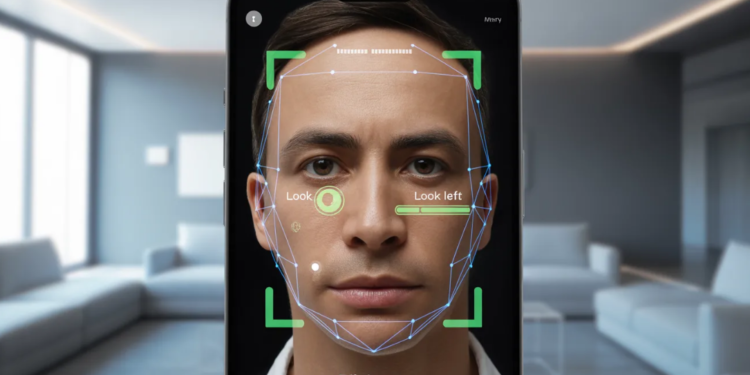
As online shopping continues to grow, so does the sophistication of digital fraud. eCommerce platforms now handle millions of remote transactions daily, making it increasingly difficult to confirm whether a real customer is completing a purchase or a fraudster is using stolen credentials. This is where liveness detection plays a crucial role.
Liveness detection is a biometric security technology that verifies whether a person interacting with a system is physically present and real, rather than a photo, video replay, or deepfake. It works by analyzing facial movements, depth, texture, or behavioral signals to confirm authenticity in real time.
In the eCommerce context, this technology is integrated into identity verification, account access, payment authorization, and secure onboarding. Instead of relying only on passwords or one-time codes, platforms can verify that the actual user is present during the transaction.
This creates a stronger trust framework between businesses and customers, ensuring that digital commerce remains both convenient and secure.
Why eCommerce Platforms Need Liveness Detection
Online retail faces a unique security challenge because transactions happen remotely. Unlike physical stores, there is no direct human interaction to confirm identity. Fraudsters exploit this gap using stolen photos, synthetic identities, or automated bots to bypass traditional authentication systems.
Liveness detection addresses this vulnerability by confirming human presence. When a user verifies their identity through facial recognition, the system checks subtle biological indicators such as blinking patterns, micro-movements, light reflection, or depth perception. These signals are extremely difficult to replicate using static images or prerecorded videos.
For eCommerce businesses, this significantly reduces identity theft, account takeovers, and fraudulent purchases. For customers, it provides confidence that their accounts and payment methods are protected from unauthorized access.
As digital commerce expands globally, the need for stronger authentication methods becomes essential rather than optional.
How Liveness Detection Works During Online Shopping
In a typical eCommerce scenario, liveness detection software is activated when a user performs a sensitive action. This could include logging into an account from a new device, resetting a password, confirming a high-value purchase, or verifying identity during registration.
The system prompts the user to perform a quick facial scan through a smartphone or webcam. Advanced algorithms analyze facial structure, motion patterns, and environmental consistency. Some systems use passive liveness detection, which verifies authenticity without requiring any action from the user. Others use active methods, such as asking the user to blink or turn their head.
Within seconds, the system determines whether the person is physically present and genuine. If verified, the transaction continues. If not, access is denied or additional verification is required.
This process adds a powerful security layer while maintaining a smooth customer experience.
Preventing Fraud and Identity Abuse in Digital Commerce
Fraud in eCommerce takes many forms, including account takeover, payment fraud, and identity impersonation. Attackers may use stolen credentials, fake documents, or manipulated images to bypass weak verification systems.
Liveness detection is specifically designed to counter these tactics. By verifying that a real person is present, it blocks common spoofing methods such as printed photos, screen replays, and deepfake videos. This is particularly important in high-risk transactions where financial losses can be significant.
In addition, liveness detection helps prevent the creation of fake customer accounts. Fraudsters often generate multiple synthetic identities to exploit promotions, bypass purchase limits, or conduct large-scale scams. Biometric verification ensures that each account corresponds to a real individual.
For eCommerce platforms, this reduces financial risk, protects brand reputation, and strengthens long-term customer trust.
Enhancing Customer Experience While Improving Security
Security measures in online shopping must balance protection with usability. Complex verification steps can frustrate users and lead to abandoned transactions. Liveness detection solves this challenge by offering fast, intuitive authentication.
Most facial verification processes take only a few seconds and require minimal effort from the customer. There is no need to remember passwords, wait for SMS codes, or answer security questions. The verification happens naturally through a simple camera interaction.
This convenience improves the checkout experience while maintaining high security standards. Customers feel safer knowing their accounts are protected, and businesses benefit from reduced fraud-related losses.
The combination of seamless usability and advanced protection makes liveness detection particularly valuable for modern eCommerce platforms.
Regulatory Compliance and Trust in Digital Transactions
As governments and regulatory bodies introduce stricter data protection and fraud prevention requirements, eCommerce businesses must adopt stronger deepfake detection measures. Liveness detection supports compliance by ensuring accurate user authentication and reducing the risk of unauthorized transactions.
Reliable identity verification also strengthens consumer confidence. When customers trust that their data and payments are secure, they are more likely to engage with digital platforms, complete purchases, and remain loyal over time.
Trust is a fundamental driver of online commerce, and biometric verification technologies are becoming essential tools for building that trust.
The Future of eCommerce Security
The growth of artificial intelligence, deepfake technology, and automated fraud tools means that traditional authentication methods will continue to face increasing pressure. Liveness detection represents a forward-looking approach to digital security that adapts to evolving threats.
In the future, it is expected to become a standard component of online shopping ecosystems. From account creation to payment authorization, biometric verification will help ensure that every digital interaction involves a real, authenticated user.
As eCommerce continues to expand globally, businesses that invest in advanced identity verification technologies will be better positioned to protect customers, reduce fraud, and maintain competitive advantage.